The American Heiress, Daisy Goodwin

[amazon_image id=”0312658664″ link=”true” target=”_blank” size=”medium” class=”alignleft”]The American Heiress: A Novel[/amazon_image]With Downton Abbey on hiatus, I’ve been going through withdrawal, and Daisy Goodwin’s novel [amazon_link id=”0312658664″ target=”_blank” ]The American Heiress[/amazon_link] was like methadone. The American Heiress is the story of Cora Cash, daughter of a wealthy American flour company magnate. Cora is spoiled and rich; in the beginning of the novel, she compares herself to Emma Woodhouse. She is used to having her way. Her mother, ambitious and conniving, wants to see her daughter land a titled husband. Fate throws Cora quite literally in the path of Ivo Maltravers, Duke of Wareham. After a whirlwind courtship, Cora becomes the Duchess of Wareham, but she learns that accepting this title will mean she might have to give up more than she realized and live in a strange country with a man she barely knows.

The similarities between this novel and Downton Abbey are a little uncanny. Cora, like the character Cora on Downton Abbey, is a rich American heiress who marries a titled aristocrat from an old family in the UK. This novel takes place during the Gilded Age and is therefore set slightly before the events of Downton Abbey begin. I enjoyed Cora’s mother-in-law, the Double Duchess—so-called because she married the Duke of Buckingham after the death of her husband, the former Duke of Wareham. It may be that Goodwin was thinking of Louisa Cavendish, Duchess of Devonshire, who was also known as the Double Duchess because she married both the Duke of Manchester and the Duke of Devonshire and lived during the right period (though she may have been a bit older than Goodwin’s Double Duchess). Cora’s own story calls to mind the real story of Consuelo Vanderbilt, who married the Duke of Marlborough. Consuelo Vanderbilt was, of course, a rich American heiress like Cora. Consuelo’s real mother-in-law was none other than the Double Duchess, Louisa Cavendish, herself. If you are a fan of this period in history and like costume drama, you would probably like this novel. It was an engaging, quick read. I did not find Cora particularly likable because she was quite spoiled and melodramatic. It was hard to feel sorry for her for too long. However, despite a lack of sympathetic characters, I found the plot of the story held my interest. If I had cared about the characters a little more, I might have been somewhat disappointed in the ending, but I found that the ending was realistic, and I’m not sure I would have liked a different ending.

Some time ago, I asked readers if they wanted me to cast books, and this book is the first book I’ve had a chance to cast.
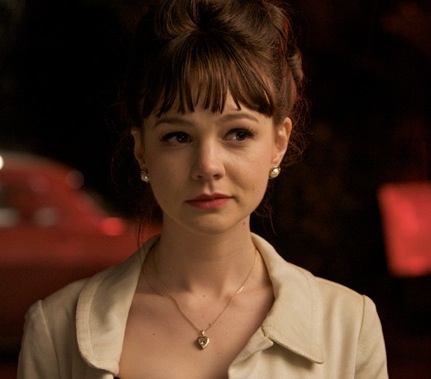
Carey Mulligan

I could see Carey Mulligan as Cora Cash. She has the chestnut hair color and a certain naivete that could carry the part.
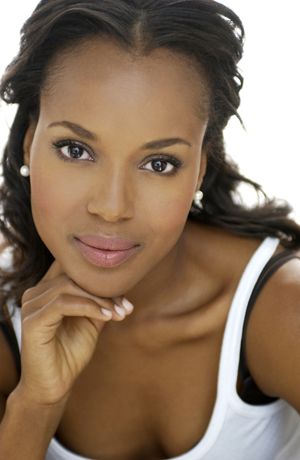
Kerry Washington

I like Kerry Washington as Bertha, Cora’s maid.
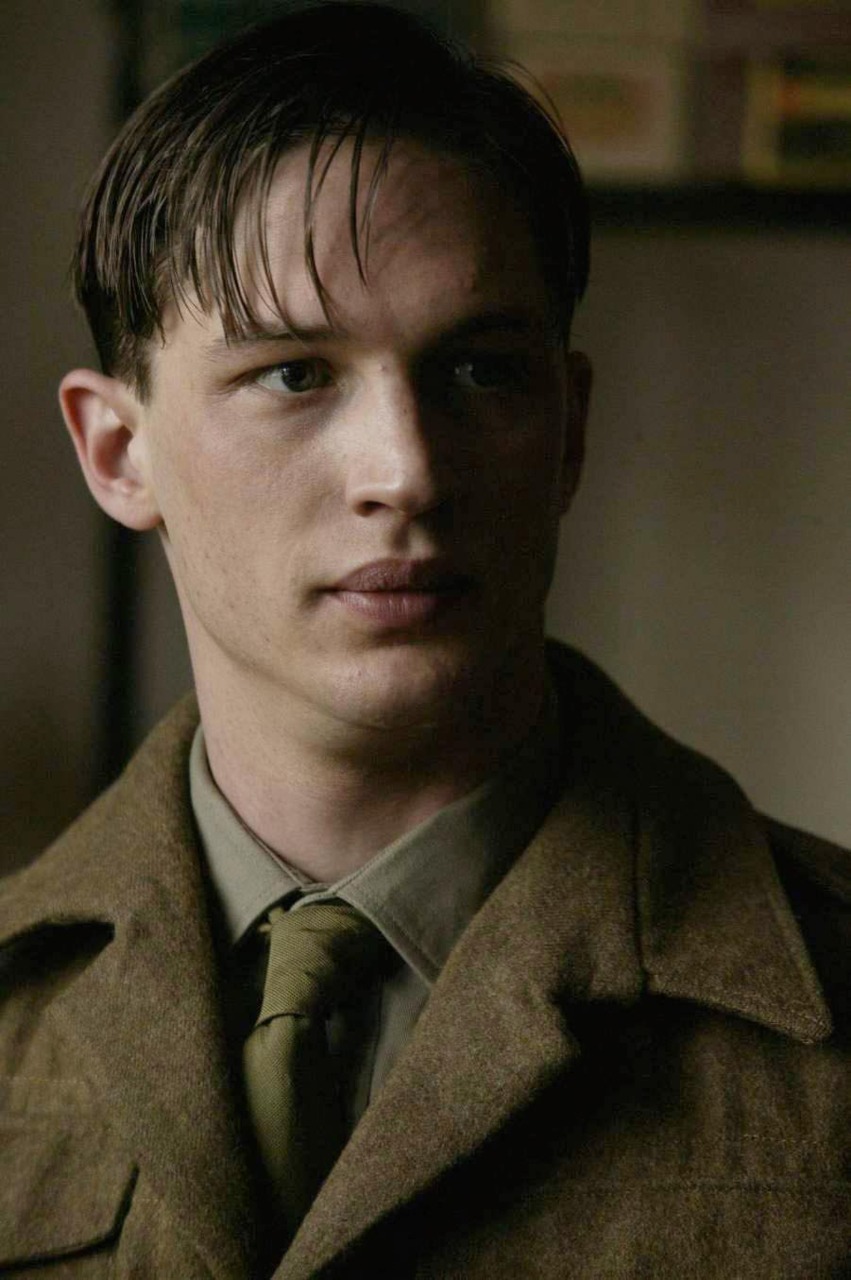
Tom Hardy

Tom Hardy should play Ivo Maltravers, Duke of Wareham. The book refers often to Ivo’s straight Roman nose and dark “gypsy” looks.
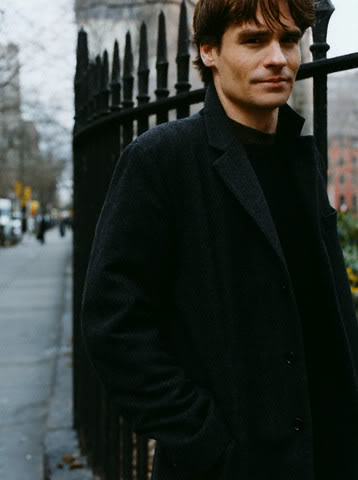
Robert Sean Leonard

Robert Sean Leonard (slightly younger version) as Teddy Van Der Leyden, Cora’s childhood sweetheart. I don’t know why other than he looks like a Teddy Van Der Leyden.
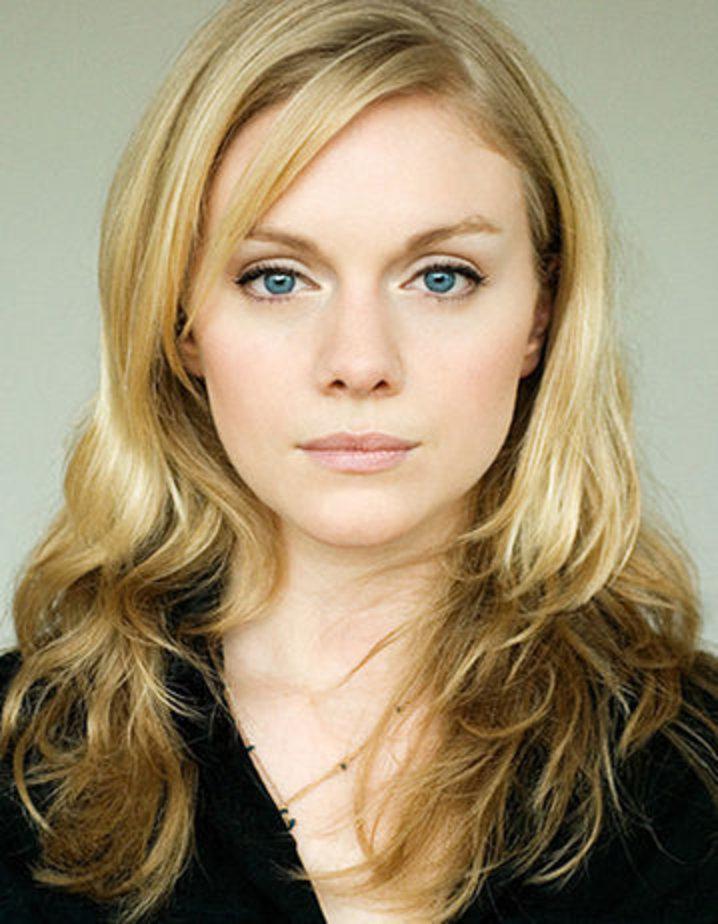
Christina Cole

Christina Cole has the sort of slithery, catlike quality that Charlotte Beauchamp needs. Charlotte is a snake in the grass, y’all. And this gal would be perfect in the role.
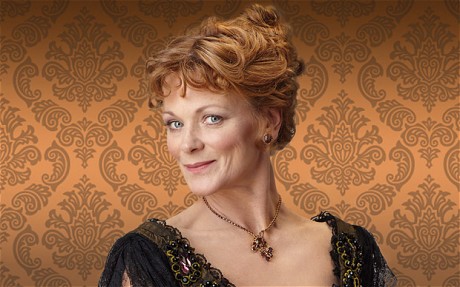
Samantha Bond

Samantha Bond was the only person I really cast in my head as I was reading. She is exactly how I imagined the Double Duchess. She would be so perfect!

Interesting side note (if you are still reading): The American Heiress is called My Last Duchess in UK. This title is, of course, an allusion to the Robert Browning poem. I like it, but after reading the novel, I’m not sure it’s very descriptive of events in the book. I’m sure the title was changed because 1) the publisher thought Americans wouldn’t get the reference and/or 2) the publisher thought Americans would like “American” in the title. Whatever.

Rating: ★★★★☆


Top Ten Tuesday

Top Ten Historical Novels

Top Ten TuesdayHistorical fiction is my favorite genre, and I’m not sure I could pick an adequate top ten. There are so many great books that fit into this genre. You can find my list below with the following caveats: I simply haven’t had a chance to read a lot of great historical fiction that’s out there yet, so this list is necessarily limited to just those books I have experience with, and also I have decided not to include classics that were set during their own contemporary times but are history now (e.g. [amazon_link id=”0486284735″ target=”_blank” ]Pride and Prejudice[/amazon_link] or [amazon_link id=”1441408223″ target=”_blank” ]Jane Eyre[/amazon_link]). Also, these are in no particular order (aside from the order in which they occurred to me) because I couldn’t begin to rank them. Finally, I selected these particular books out of all the historical fiction I have read and loved because they so perfectly evoke their time settings that they bring the historical eras in which they are set alive (with historical accuracy) and simply couldn’t take place any other time.

  1. [amazon_link id=”034549038X” target=”_blank” ]The Dante Club[/amazon_link] by Matthew Pearl: Not only is this book a solid thriller with fun connections to Dante’s [amazon_link id=”0812967216″ target=”_blank” ]Inferno[/amazon_link] and the Fireside Poets, but it is also a great snapshot into life in Boston right after the Civil War. In terms of period detail and engaging reads, you could do worse than Matthew Pearl for sure.
  2. [amazon_link id=”0780748433″ target=”_blank” ]Catherine, Called Birdy[/amazon_link] by Karen Cushman: This is a middle grades/early YA novel set in 1290 in England. Catherine is the daughter of a knight, and Cushman captures the Middle Ages (particularly, the lives of a family in a small manor house) in exquisite detail.
  3. [amazon_link id=”0152164502″ target=”_blank” ]The Coffin Quilt[/amazon_link] by Ann Rinaldi: The subject of this YA novel is the feud between the Hatfields and McCoys. Told from the viewpoint of Fanny McCoy, the novel touches on all the major events of the feud and is simply one of the most well-written YA novels I’ve ever read.
  4. [amazon_link id=”0345521307″ target=”_blank” ]The Paris Wife[/amazon_link] by Paula McLain: This novel about Ernest Hemingway’s first marriage and time in Paris perfectly captures the lives of the American artist expatriates living in France during the 1920’s. It’s a gorgeous novel.
  5. [amazon_link id=”1565125606″ target=”_blank” ]Water for Elephants[/amazon_link] by Sara Gruen: This isn’t just great historical fiction. It really captures an era and a subculture that I’ve not seen captured as well in any other novel. Superb read.
  6. [amazon_link id=”0765356155″ target=”_blank” ]Jonathan Strange & Mr. Norrell[/amazon_link] by Susanna Clarke: While also classified as fantasy, this novel also explores England during the Napoleonic Wars, including brushes with Mad King George and Lord Byron as well as the Duke of Wellington. The footnotes are a great touch. I loved this novel.
  7. [amazon_link id=”039331507X” target=”_blank” ]Nothing Like the Sun[/amazon_link] by Anthony Burgess: I don’t think I’ve read another historical fiction book about Shakespeare that touches this one. Burgess’s characters speak like Elizabethans, and the events described are both believable and fun homages to Shakespeare’s plays. The premise behind the book is that Shakespeare’s tangled love life majorly influenced all of his work.
  8. [amazon_link id=”B000FC10KC” target=”_blank” ]Ahab’s Wife[/amazon_link] by Sena Jeter Naslund: Oh, how I love Una Spenser. She is my fictional BFF. She is amazing. I need to read this one again. As you might have guessed, this book takes the passage in [amazon_link id=”B003GCTQ7M” target=”_blank” ]Moby Dick[/amazon_link] in which Captain Ahab mentions he has a young wife at home and creates her character and her life (and it’s a fascinating life that, in my opinion, puts that of her husband to shame).
  9. [amazon_link id=”0061577073″ target=”_blank” ]The Poisonwood Bible[/amazon_link] by Barbara Kingsolver: This novel about Christian missionaries in the Belgian Congo right as the country declares its independence from Belgium is a fascinating snapshot into the Congo of the 1960’s as well as the lives of Christian missionaries and also serves as an allegory for America’s own role in colonialism.
  10. [amazon_link id=”0061990477″ target=”_blank” ]The Thorn Birds[/amazon_link] by Colleen McCullough: When I read this novel, I couldn’t put it down. I haven’t read a lot of books set in Australia, but this novel seems to so perfectly capture the times and setting. Meggie is an engaging heroine, and who doesn’t love Father Ralph de Bricassart?

Because I read a ton of historical fiction, I need to include some honorable mentions:

  • [amazon_link id=”0547550294″ target=”_blank” ]The Witch of Blackbird Pond[/amazon_link] by Elizabeth George Speare: This YA novel is set in Colonial Massachusetts and is a great vehicle for middle schoolers (or even their older siblings and parents) to learn about that time period in history. I can’t think of too many books that do as good a job with this era.
  • [amazon_link id=”0312378025″ target=”_blank” ]The Tea Rose[/amazon_link] by Jennifer Donnelly: This book is a fun read, but has a few lapses in terms of credibility (at least for this reader). Set in Whitechapel as Jack the Ripper ravages London, this novel is the story of Fiona, daughter of one of the Ripper’s victims, who makes her way to New York and builds a tea empire from scratch.
  • [amazon_link id=”B001NLKT2E” target=”_blank” ]The Commoner[/amazon_link] by John Burnham Schwartz: This story of a commoner’s marriage into the Japanese imperial family makes for a great read, too, though Schwartz takes some liberties to make his character’s ending happier than that of the real model for his heroine.
  • [amazon_link id=”0060515139″ target=”_blank” ]A Plague of Doves[/amazon_link] by Louise Erdrich: Some of this novel is contemporary, which is one reason I didn’t include it above, but it is one of the finest novels I’ve read and concerns the repercussions of a murder and hate crime that sent ripples through a community for generations.
  • [amazon_link id=”B003WUYROK” target=”_blank” ]The Physick Book of Deliverance Dane[/amazon_link] by Katherine Howe: Also partly set in contemporary times, this novel concerns Connie Goodwin’s attempts to learn more about her ancestors’ grimoire and secret powers.
  • [amazon_link id=”0399157913″ target=”_blank” ]The Help[/amazon_link] by Kathryn Stockett: While this book certainly evoked Mississippi of the 1960’s, and I thoroughly enjoyed it, it did not seem as realistic to me as some of the books I included in my top ten.
  • [amazon_link id=”0307588661″ target=”_blank” ]Madame Tussaud[/amazon_link] by Michelle Moran: This novel, set during the French Revolution, was an excellent read and shone a spotlight on a historical figure who hasn’t perhaps received as much attention as she was due.
  • [amazon_link id=”0143034901″ target=”_blank” ]The Shadow of the Wind[/amazon_link] by Carlos Ruiz Zafón: Barcelona’s book world during the 1930’s and 1940’s, though to me, the plot did not have to be set during era or in that place.
  • [amazon_link id=”0451202503″ target=”_blank” ]The Songcatcher[/amazon_link] by Sharyn McCrumb: Again, because this novel is set partly in contemporary times, I excluded it from the list above, but the historical fiction parts were my favorite. This novel is the story of how a song learned on the crossing from Scotland to America in the eighteenth century was passed down in a family and survived to the present day.
  • [amazon_link id=”039306915X” target=”_blank” ]Emily’s Ghost[/amazon_link] by Denise Giardina: The story of Emily Brontë and one of the better historical fiction novels about the Brontë family.
  • Pretty much anything by Jude Morgan. Love him. And Syrie James. And Tracy Chevalier. I mean, this was really a hard topic for me to narrow down.

Related posts:

Outlander (audio), Diana Gabaldon

OutlanderI took advantage of the time I had during a recent car trip to finish Diana Gabaldon’s novel [amazon_link id=”1419381016″ target=”_blank” ]Outlander[/amazon_link] for the third time (but for the first time as an audio book). I have reviewed the book previously. I am a big fan of Gabaldon’s, and the first time I read the series, which at that time only included four books, I couldn’t wait for the fifth book. When it did finally come out, I didn’t get through much of it before I set it aside, so I’m hoping participating in the Outlander Challenge will help me finish the series.

For those not in the know, Outlander is the story of Claire, a nurse during World War II, who travels to the Scottish Highlands for a second honeymoon with her husband Frank and finds herself mysteriously transported about 200 years in the past, where she is almost immediately confronted by her husband’s ancestor, Jonathan “Black Jack” Randall, an English officer garrisoned in Scotland. She is rescued from the clutches of Black Jack by members of the Clan MacKenzie, who take her to their stronghold, Castle Leoch. Claire finds herself drawn to Jamie, a young man in the MacKenzie party. She establishes herself as a healer in the castle and though she never stops trying to figure out how to return to Frank, she begins to build a life for herself in the past. Later, she is forced to marry Jamie in order to protect herself from Black Jack and the English army, and it is after that event that her adventures truly begin.

One of the things I noticed for the first time on this reading is the long scenes that in another book might simply have been cut. Gabaldon tends to write scenes and stitch them together later rather than write in a linear fashion. I know this because I have heard her speak about her writing process. It has benefits and drawbacks. One of the benefits is that readers feel they have intimate connections to the characters through vignettes that develop the characters into fully fleshed people. Gabaldon is gifted with description. No reader should have any trouble picturing her scenes. However, one of the drawbacks, and it’s something I really only noticed on this read, is that some scenes feel superfluous and don’t really develop the plot so much as the characters. I am huge fan of characters and will enjoy a book with good character development over a book with weaker characters and a fast, tight plot, but on this read, I really noticed the fact that much of the writing was unnecessary. Given the length of the book, that is kind of a problem. And the books only progressively get longer. I may not mind as much with the rest of the series because I have only read the next three books once, and I have never read the final three. I might find I enjoy the ride a little more when the plot is not quite as familiar, and truthfully, I don’t think most readers would have a problem with the superfluous scenes given how engaging a writer Gabaldon is.

Davina Porter is a superb reader, and listening to the books will give readers a whole new appreciation for Gabaldon’s Scots.

Rating: ★★★★☆

I’m counting this book as my romance novel for the Mixing it Up Challenge.

Related posts: